01469 577000 | info@trailertrans.co.uk | Eastfield Road, South Killingholme, Immingham, North Lincolnshire, DN40 3DQ


What Happens After a Ship Arrives at Port?
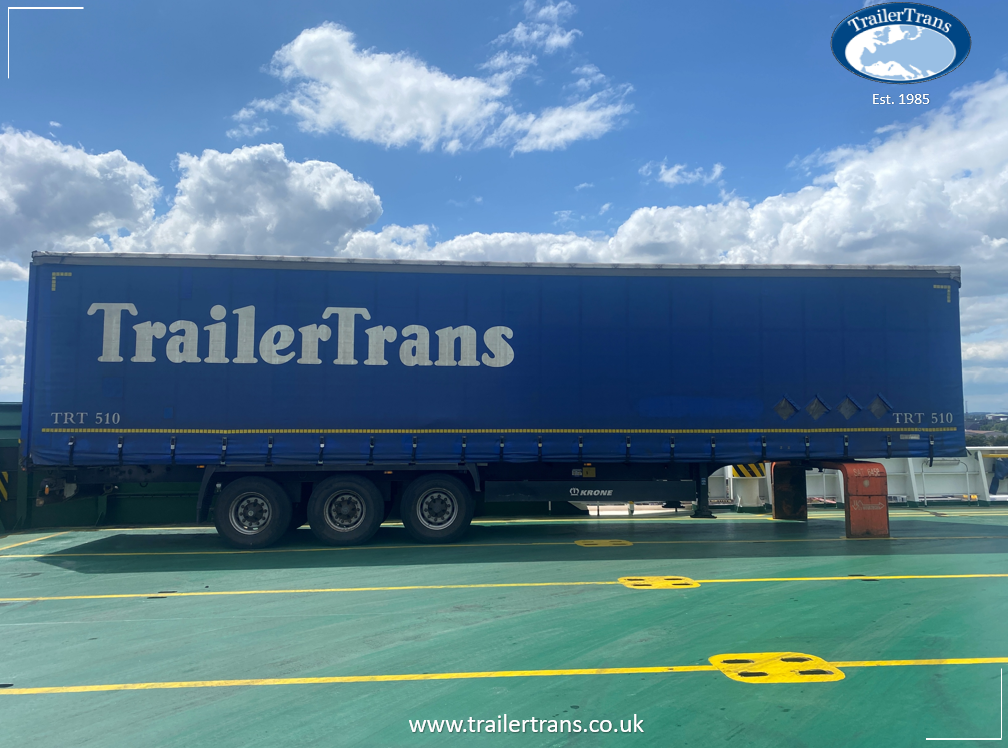
What Happens After a Ship Arrives at Port?
When a ship arrives at port, the journey is far from over.
While the vessel reaching its destination is a significant milestone, there are still several important steps before goods reach their final delivery point.
From unloading and customs procedures through to transport planning and final delivery, each stage plays a role in keeping supply chains moving efficiently.
Freight discharge and handling
Once a vessel arrives, freight must be safely discharged from the ship.
Depending on the type of cargo, this may involve trailers, containers, vehicles or other freight units being transferred from the vessel and prepared for onward movement.
Ports are carefully organised environments, designed to move large volumes of freight efficiently while maintaining safety and operational control.
Further information about UK ports and their role in trade can be found on the British Ports Association website.
Customs requirements
For many international shipments, customs processes form an important part of the journey.
Documentation may need to be checked and customs requirements completed before goods can continue to their destination.
Getting customs procedures right helps reduce unnecessary delays and supports the smooth movement of freight.
You can also read our article on getting customs right and keeping freight moving.
Collection and onward transport
Once freight has been released, arrangements can be made for collection and onward transport.
This may involve moving goods directly to the customer or transferring them to another location within the wider supply chain.
Road transport often plays an important role in connecting ports with manufacturers, distribution centres, warehouses and final delivery locations.
Handling depots and distribution
Not every shipment travels directly from the port to its final destination.
Smaller consignments may be processed through handling depots or distribution centres where freight can be organised for onward delivery.
This approach can help improve efficiency and ensure the most suitable vehicles and routes are used for the final stage of the journey.
Final delivery
The final step is delivery to the customer.
By this stage, the freight has often passed through multiple stages including sea transport, port operations, customs processes and onward transport planning.
When these stages work together effectively, businesses benefit from reliable deliveries and efficient supply chains.
More than just a port arrival
A ship arriving at port is an important moment in the transport process, but it is only one part of the wider journey.
From discharge and customs through to collection, handling and final delivery, many different activities help ensure goods reach their intended destination.
You can also read more about our UK to Northern Germany transport services.
By understanding what happens after a ship arrives at port, businesses can gain a better appreciation of the planning and coordination involved in international freight movements.
Contact Us
- Eastfield Road, South Killingholme,
Immingham,
North Lincolnshire,
DN40 3DQ - © 2026 TrailerTrans (Europe) LTD
Eastfield Road, South Killingholme, Immingham, North Lincolnshire, DN40 3DQ
Company No. 01886995 - 01469 577000
- sales@trailertrans.co.uk


© Copyright 2026 | Supported by Vixsoft.com