01469 577000 | info@trailertrans.co.uk | Eastfield Road, South Killingholme, Immingham, North Lincolnshire, DN40 3DQ


What Happens Before a Trailer Reaches the Quay?
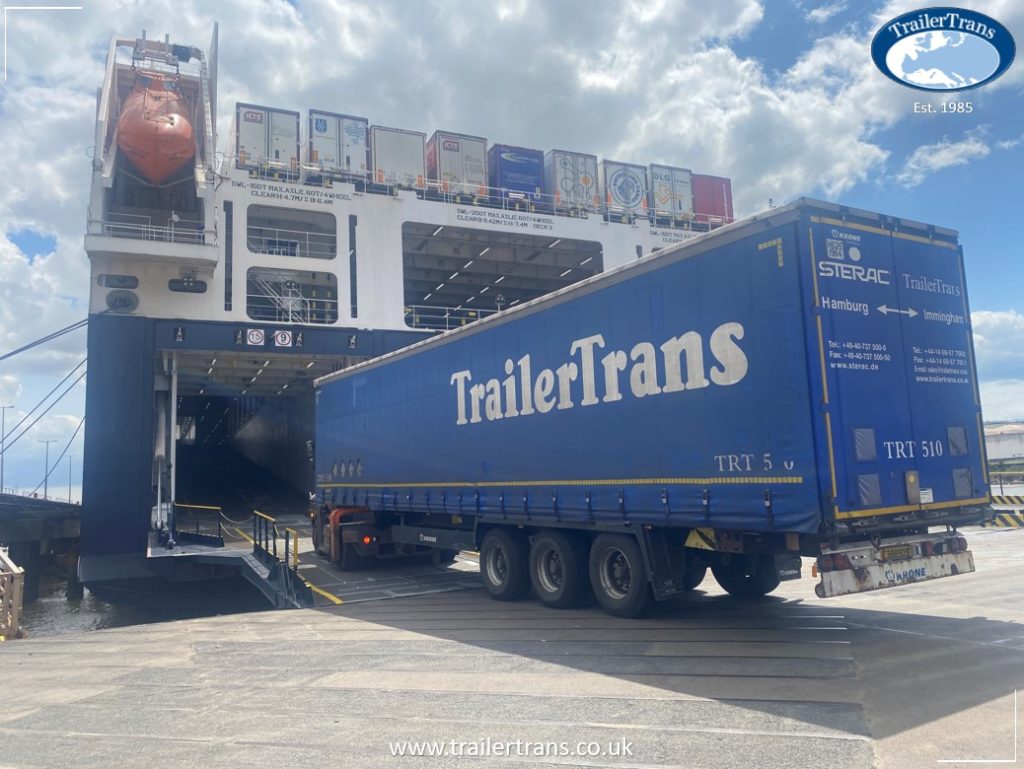
What Happens Before a Trailer Reaches the Quay?
In our previous article, What Happens After a Ship Arrives at Port? we looked at the journey goods take once they are loaded and on their way overseas. However, a great deal happens before a trailer even reaches the quay. From collection planning and customs clearance to shipping line bookings and cargo security, preparing cargo for export involves careful coordination behind the scenes.
In this article, we take a closer look at the steps that take place before a trailer arrives at the port and begins its journey. The freight forwarding process begins long before a trailer reaches the quay. In previous posts, we’ve looked at what happens to cargo once a vessel leaves port and begins its journey overseas. However, before a trailer even reaches the port, there is a significant amount of planning, documentation and coordination taking place behind the scenes..
From arranging collections to completing customs formalities, freight forwarding involves far more than simply moving goods from A to B.
Preparing Cargo for Export Begins with Collection Planning
Every shipment starts with a collection.
Whether cargo is moving as a full trailer load (FTL) or as part of a groupage shipment, transport must be planned carefully to ensure goods are collected efficiently and delivered to the port on time.
Where possible, routes are planned to minimise unnecessary empty running, helping to improve efficiency and make the best use of available vehicle capacity.
For customers, this stage may seem straightforward. Behind the scenes, however, transport planners are balancing collection requirements, sailing schedules, driver availability and delivery deadlines.
Full and Part Loads
Not every shipment fills an entire trailer.
For customers moving smaller consignments, part-load and groupage services provide a cost-effective alternative to dedicated transport. Operators often consolidate these shipments with compatible freight before moving them onwards through the supply chain.
Full-load movements follow a different process, frequently travelling directly from collection point to port.
Regardless of shipment size, ensuring cargo reaches the correct location, at the correct time, remains a critical part of the freight forwarding process.
Customs Clearance Before Departure
One of the most important stages before a trailer arrives at the port is customs clearance, ensuring goods comply with import and export requirements
Businesses must complete customs declarations accurately to ensure goods meet the import and export requirements of each country. Incorrect documentation can lead to delays, additional costs and unnecessary disruption.
By completing customs entries before the vehicle reaches the port, potential issues can often be identified and resolved before they impact the movement of freight.
Businesses involved in international trade should also ensure they understand the latest customs requirements published by HMRC.
Shipping Line Bookings and Port Requirements
Before a trailer can travel through the port, space must be booked with the shipping line.
Many operators complete bookings electronically and transmit shipment details directly through integrated systems. Information such as trailer number, cargo descriptions, hazardous goods information and security data may all need to be submitted prior to arrival at the port.
This administration is largely invisible to customers, but it forms an essential part of ensuring freight can move smoothly through the shipping process.
Cargo Security Matters
Another key consideration before departure is cargo security.
Drivers and warehouse teams secure loads to prevent movement during road transport and sea crossings. Depending on the nature of the cargo, this may involve the use of straps, corner protectors and other load restraint equipment.
Effective load security not only helps protect the cargo itself but also improves safety throughout the transport chain.
Coordination Behind the Scenes
Successful freight forwarding depends on communication.
Operations teams are often coordinating between customers, drivers, depots, customs agents, shipping lines and port operators simultaneously. Even relatively simple shipments can involve numerous parties working together to ensure deadlines are met.
By the time a trailer reaches the port and boards a vessel, much of the work has already been completed.
Freight Forwarding Starts Long Before the Vessel Sails
When people think about international freight, they often picture the ship. In reality, the process starts much earlier.
Collection planning, customs clearance, shipping line bookings, cargo security and transport coordination all take place before a trailer even arrives at the quay. These behind-the-scenes activities play a vital role in keeping goods moving efficiently through international supply chains.
In our next article, we’ll look in more detail at the customs clearance process and why accurate customs documentation is so important to the successful movement of freight.
Contact Us
- Eastfield Road, South Killingholme,
Immingham,
North Lincolnshire,
DN40 3DQ - © 2026 TrailerTrans (Europe) LTD
Eastfield Road, South Killingholme, Immingham, North Lincolnshire, DN40 3DQ
Company No. 01886995 - 01469 577000
- sales@trailertrans.co.uk


© Copyright 2026 | Supported by Vixsoft.com